
Guide
Land, water and a credible agriculture proposal
Published 10 October 2026 · Invest Zimbabwe
A productive farm partnership starts with usable rights, dependable water, a realistic operating plan and a buyer you understand.
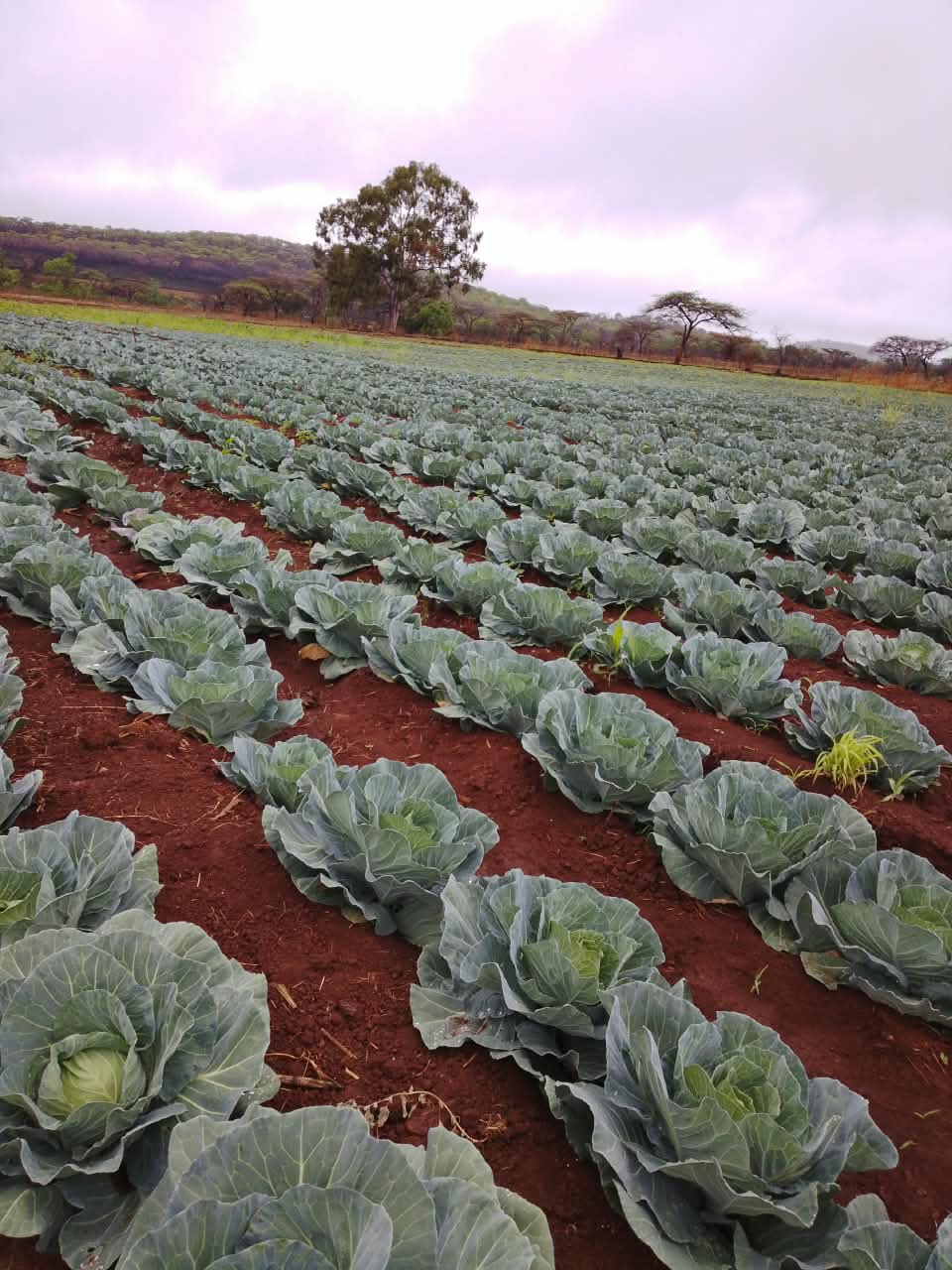
Land can be the foundation of an investment proposition, but its commercial use has to be established. Before commissioning an elaborate farm plan, define the proposed activity, the area it would occupy, the people currently using it and the arrangement being offered. A lease, production partnership, management contract and sale require different evidence and different decisions.
Make the tenure position explicit. Identify whether the starting document is title, a lease, an offer letter, a permit or another allocation, including communal or state land arrangements. The Ministry responsible for lands describes distinct permit, leasehold and freehold systems. Its general-lease guidance includes conditions on permanent development. These distinctions matter: a document establishing occupation does not automatically authorise a sale, sublease or joint venture. Obtain a case-specific review of the instrument, proposed transaction and necessary consents.
Connect the paperwork to the ground. A clear plan should show boundaries, current production, access, buildings and proposed development. Record known disputes, overlapping claims, existing occupants and shared facilities. Explain who must be consulted and which issues remain unresolved. A site visit should test these records, including whether vehicles and machinery can reach the productive area throughout the operating season.
Treat water as its own workstream. ZINWA's published guidance for abstraction from its managed dams and state-owned reservoirs asks for land evidence, the intended use, estimated volume and abstraction point. It describes technical assessment and drought restrictions. A nearby dam therefore does not, on its own, prove that a farm has an allocation, a usable intake or affordable pumping. Verify the applicable water route and model delivery, storage, energy and seasonal availability for the specific crop.
Build the operating case around a production cycle. Record soil and water testing, the proposed crop or livestock system, suitable skills, input supply, expected losses and the time before cash returns. Cost fencing, irrigation repairs, storage, transport and working capital alongside new equipment. For an existing enterprise, reconcile the proposal with production and sales records; for a new one, explain the evidence behind the assumptions.
Work backwards from the buyer. What specification, volume, delivery window and packaging will the market accept? Who bears rejection, spoilage and transport risk? A cold room is more persuasive when connected to dependable supply and committed demand. The same principle applies to aggregation, milling, feed production and other opportunities around the farm.
The first package should leave a reviewer able to identify the site, understand the rights, assess the production logic and see exactly what partner contribution is needed. Submit the evidence available and mark the gaps. That allows preparation to focus on the issues most likely to change the investment decision before substantial development spending begins.