
Guide
From a mining claim to a commercial case
Published 10 October 2026 · Invest Zimbabwe
Rights, geology, recovery and a credible route to market: the evidence that turns a mining proposal into a serious investment conversation.
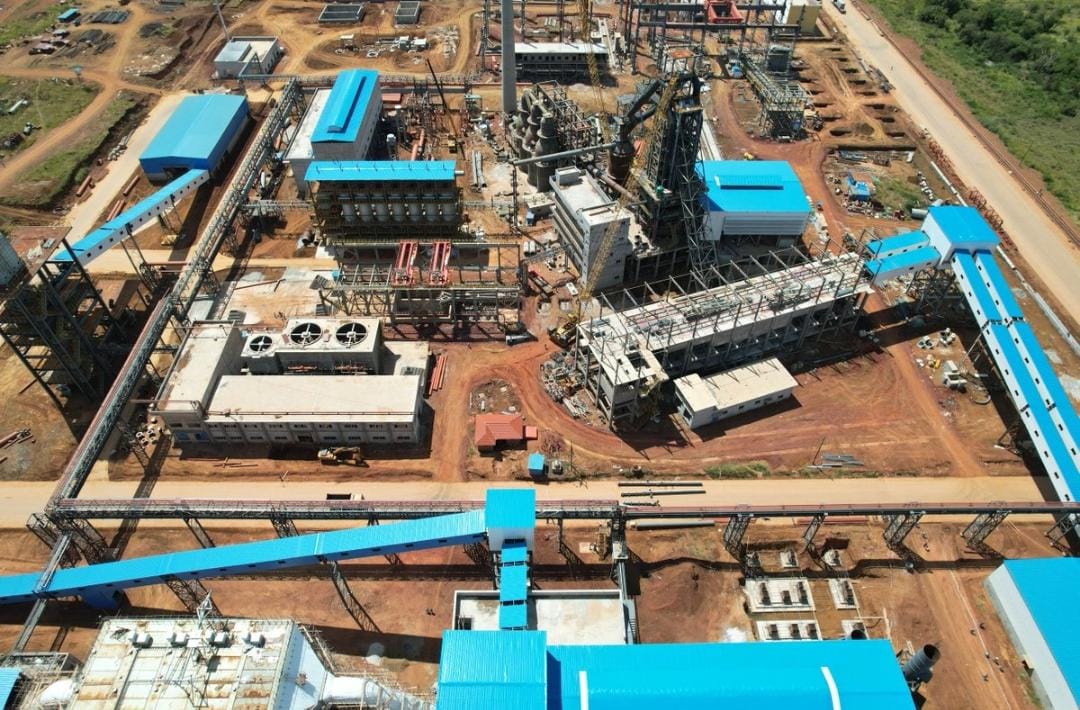
A mining opportunity becomes useful to an investor when its strongest claims can be checked. A location, a mineral name and photographs can open a conversation. The next stage is to explain what is known, who has the right to develop it, what work remains and how a commercial operation could earn revenue. That distinction should shape the proposal from its first page.
Start with the rights. Assemble the relevant registration and tenure records, a map that connects those records to the site, the parties involved and the authority of the person seeking a partner. Ask a qualified adviser to verify current standing, competing interests and the permissions needed for the proposed transaction. Holding a document, controlling a company and being authorised to offer a joint venture are separate questions.
Then make the geological evidence readable. Record who collected each sample, where it came from, when it was tested and which laboratory produced the result. Keep historic reports and current sampling separate. A promising assay from selected material does not establish the size, continuity or recoverable value of a deposit. Where that evidence is missing, the immediate proposition may be a funded exploration programme with defined milestones.
The processing route deserves as much attention as the mineral. Set out the proposed product, recovery assumptions, equipment, power and water needs, waste handling and the tests still required. Use dated supplier quotations and explain what they exclude. Include access roads, spares, maintenance and working capital so that the investor can see the cost of reaching dependable production, rather than only buying machinery.
Environmental work belongs in the development plan from the outset. The Environmental Management Agency lists prospecting, mining and quarrying among activities covered by its assessment guidance. Its published process begins with a project prospectus and describes a subsequent assessment stage involving a registered consultant. Confirm the applicable scope and sequence with the authority and your specialists before committing to site works.
A sales assumption also needs evidence. Identify the buyer category, product specification, transport route and likely deductions between the quoted commodity price and cash received. Test lower recovery, a weaker selling price, delayed commissioning and higher energy costs. Label estimates clearly, including the date, currency and person responsible for each important assumption.
Finish with a precise partnership request: exploration funding, equipment, operating expertise, an offtake arrangement or capital for expansion. State what the owner contributes and the next decision that funding would unlock. A useful first submission can be incomplete, provided the gaps are visible. Invest Zimbabwe can begin the review from that honest starting point; technical, legal and commercial verification should determine how the case advances.