
Guide
Why Zimbabwe: look for the next step in the value chain
Published 10 October 2026 · Invest Zimbabwe
Processing, storage, packaging and dependable services can turn a local resource into a product that a customer is ready to buy.
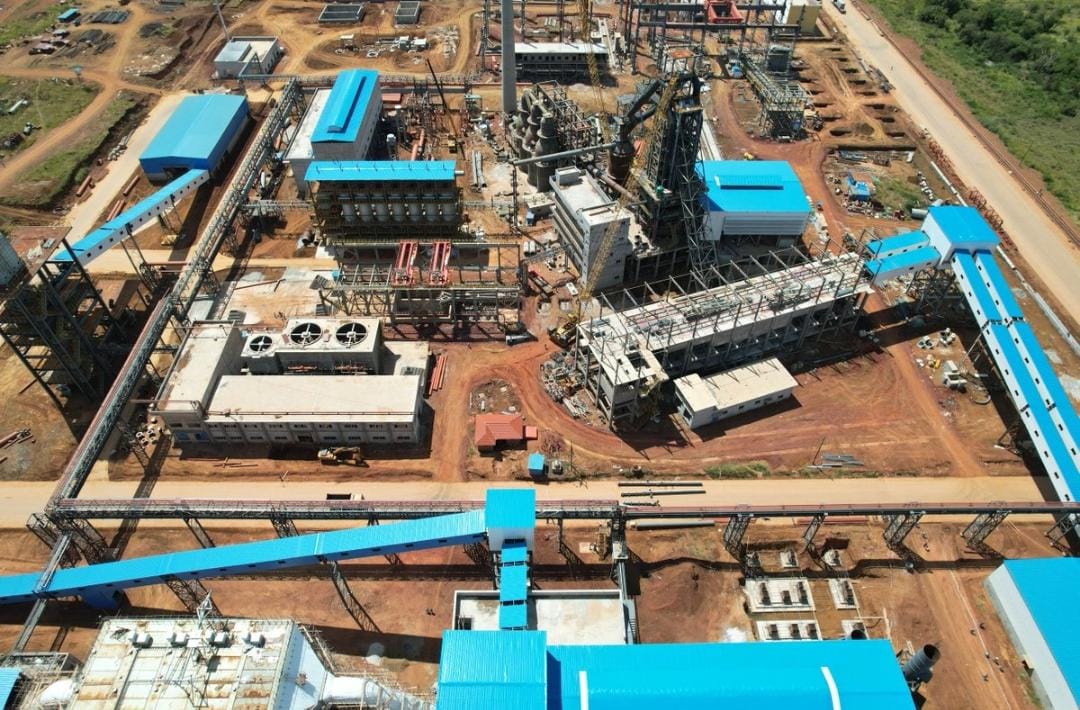
One useful way to examine investment in Zimbabwe is to follow a product from its source to the person who pays for it. Between those two points sit practical businesses: aggregation, testing, storage, processing, packaging, distribution and repair. The opportunity may be a new enterprise at one of those stages, or an existing operator ready to improve reliability and capacity.
This is central to Invest Zimbabwe's provincial approach. The aim is to connect resources and enterprise to usable opportunities across all ten provinces. Agriculture, mining, tourism, manufacturing, energy and logistics should be considered together where their needs overlap. An agricultural processor may depend on growers, water, energy, packaging and a distribution partner before its machinery can earn a return.
Start with a specific gap. Perhaps producers cannot preserve a perishable crop, buyers cannot obtain a consistent grade, or a processor is constrained by unreliable inputs. Measure the problem before proposing the solution: volumes lost, orders declined, quality variation, delivery delays or equipment downtime. Interview both the supplier and the customer. A problem that affects many people still needs a buyer willing and able to pay for its solution.
Traditional grains offer an example of how to ask the right questions. ZimTrade has discussed processed sorghum and millet products alongside packaging, quality management and export readiness. A prospective miller could test the required flour specification, secure dependable grain supply and compare local and export distribution costs. The presence of a value-added product category does not establish that a particular factory will be profitable.
Put every important link into the financial model. Include input quality, processing yield, rejected output, utilities, packaging, transport and payment delays. Estimate the cash tied up between buying materials and receiving revenue. Test whether the proposed scale still works when supply is seasonal or a large customer pays late. A plan that depends on uninterrupted full-capacity production from opening day needs closer examination.
Standards should follow the intended market. Identify the customer's testing, traceability, food safety or technical specifications, then establish the applicable product and destination requirements. Obtain advice before making certification claims. A useful early deliverable is a sample product with documented test results and buyer feedback, supported by a realistic cost to reproduce it consistently.
For owners, the investment request should name the missing capability: finance, equipment, technical expertise, a buyer or an operating partner. For investors, the most revealing questions often concern the links around the central asset. Invest Zimbabwe provides a starting point for presenting that fuller picture, so that potential can be examined as a business with suppliers, customers, costs and a clear next stage.