
Harare
Metropolitan / Invest Zimbabwe
Invest Harare.
Enterprise, connections and the urban economy
Harare brings an urban customer base, an international airport and a varied visitor economy into one investment setting. Its useful proposition is the connection between people, goods and services: moving produce through markets, helping businesses operate efficiently, and turning arrivals into productive visits. Explore enterprises with identifiable customers and premises that can support their operations. The strongest proposals explain the service gap they solve, the operating costs involved and the evidence behind demand.
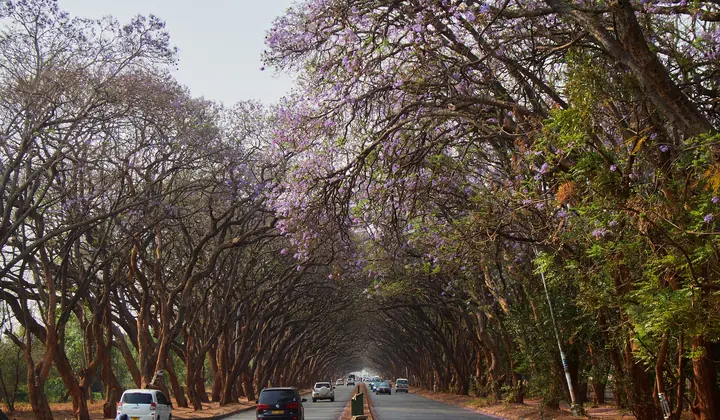
An introduction to Harare
A place to understand.
Potential to develop.
Zimbabwe’s capital offers several starting points for an investment conversation. The city’s published services cover business licensing, building permits, water, waste and public procurement. Its market schedules identify the trading ecosystem around Mbare. Together these suggest a practical way to explore the city: begin with a customer group and a location, then examine the infrastructure and permissions that a dependable service needs.
Robert Gabriel Mugabe International Airport connects the capital with passenger and cargo services. Mukuvisi Woodlands adds a contrasting urban conservation and education setting. Together, these anchors support a broad visitor journey: arrival, meetings, shopping, food and time outdoors. The most useful business concepts connect those activities, making a visit easier to organise or helping an enterprise deliver a more dependable service to residents and travellers.
Economic strengths
What the province
can build upon.
Established strengths and areas for enterprise development. These themes describe the provincial economy; they are not individual investment offers.
Food distribution and market services
Mbare’s farmers, wholesale and retail market categories provide a concrete setting for aggregation, reusable packaging, produce handling and delivery. The value chain runs from incoming produce to sorting, short-term storage and onward distribution. Businesses that improve quality retention, order coordination or turnaround can connect rural suppliers more effectively with urban buyers.[2]
Airport-linked enterprise
The airport operator identifies passenger and cargo handling, ground transport, food and other commercial services. Areas to explore include organised transfers, traveller support and logistics coordination. These businesses connect the air gateway to hotels, workplaces and distribution points, turning a transport arrival into the beginning of a wider commercial journey.[3]
Premises that work harder
The city’s commercial and building-permit environment provides a setting for refurbishment, shared workspaces and premises for smaller producers. The opportunity can be in improving how an existing building works: practical layouts, dependable services, manageable operating costs and access that suits its tenants. Reuse can be considered alongside new construction.[1]
Urban nature and visitor experiences
Mukuvisi Woodlands combines conservation with environmental education. Guided learning, visitor transport and complementary hospitality are themes to explore around this urban nature experience. Its appeal is different from a remote safari: it connects the city’s daily life with woodland, wildlife and education, creating possibilities for short visits and organised group experiences.[4]
Services for smaller enterprises
Market activity and commercial premises create customers for bookkeeping, stock control, repair and delivery services. A focused provider can connect tasks that smaller businesses currently manage separately. The proposition becomes tangible through practical outcomes such as better stock visibility, fewer missed deliveries, quicker equipment recovery or simpler customer ordering.[2][1]
Places & connections
The geography
behind the story.
Understand the towns, landscapes and connections that give Harare its character.
Mbare
A named concentration of farmers, wholesale, retail and small trading facilities in the city’s published market schedules. Useful for examining how goods move between producers and urban buyers.[2]
Robert Gabriel Mugabe International Airport
The capital’s air gateway connects passenger journeys and cargo handling with ground transport and commercial services. It provides a natural anchor for exploring how visitors and goods move into the city.[3]
Mukuvisi Woodlands
An established conservation and environmental education destination within Harare. It gives the city a nature-based visitor anchor and a useful setting for considering responsible complementary services.[4]
Cleveland Dam
Listed among the city’s visitor landmarks, Cleveland Dam adds a waterside setting to Harare’s place-based identity. It complements the city’s streets, commercial districts and woodland experiences.[1]
From place to proposition
The questions
worth resolving.
These are practical starting points for project preparation. The scope depends on the specific site and proposed activity.
How preparation works ↗- Identify the exact local authority and parcel before assembling permissions. A Harare address, a lease and permission for the intended activity answer different questions; neighbouring metropolitan jurisdictions should not be treated as one approval office.
- For premises-intensive businesses, obtain evidence of usable water, wastewater handling, electrical capacity and delivery access. Price backup arrangements and maintenance in the operating model rather than leaving them as assumptions.
- For market services, observe several trading cycles and agree how goods, losses and payments are recorded. Customer density does not by itself establish affordable demand for a new service.
- For airport and conservation-related ideas, obtain the responsible operator’s participation and access terms. Public recognition of a location creates no right to trade there or use its identity.
Invest in Harare
Know the place.
Examine the proposition.
Investment listings are kept separate from this provincial guide. Each needs an identified holder, permission to present it, a clear investment ask and supporting evidence.
Sources & further reading Research reviewed 10 October 2026
Provincial profiles combine source-backed context with Invest Zimbabwe’s analysis of possible value chains. Check current conditions with the relevant authority and project holder before making a project decision.
- City services and visitor landmarks ↗City of Harare
- Published 2026 budget tariff proposals: market categories ↗City of Harare
- Robert Gabriel Mugabe International Airport ↗Airports Company of Zimbabwe
- About Mukuvisi Woodlands ↗Mukuvisi Woodlands Association