
Manicaland
Eastern Zimbabwe / Invest Zimbabwe
Invest Manicaland.
Eastern Highlands, productive estates and a route to the coast
Manicaland’s character comes from the meeting of mountains, productive landscapes and an eastern trade corridor. Nyanga and Chimanimani anchor its outdoor visitor economy, while Chipinge’s plantation crops and Mutare’s processing and commercial activity connect the province to domestic and export markets. Tea, horticulture, timber and tourism give it several recognisable economic identities. The investment conversation extends naturally into food processing, packaging, wood products, logistics and the services that help those sectors grow.
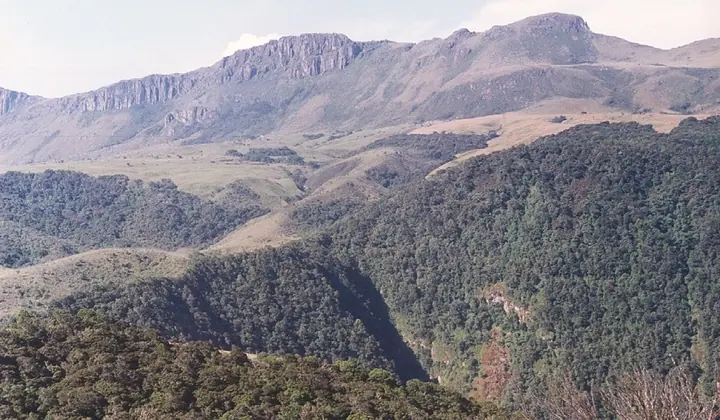
An introduction to Manicaland
A place to understand.
Potential to develop.
Along Zimbabwe’s eastern side, Manicaland combines highland scenery with varied agricultural districts and the provincial capital, Mutare. Its position on the route through Forbes toward Mozambique and Beira connects its productive economy with regional trade. The province’s appeal lies in this variety: mountain destinations, plantation landscapes and an urban centre where goods can be processed, traded and distributed.
Production and value addition are already visible in its business landscape. Tanganda links estates in Chipinge with tea blending and packaging in Mutare. Border Timbers describes a chain extending from forestry to milling, drying and finished timber products. These examples make the province’s wider possibilities tangible: more value can be built around a resource through processing, skilled work, better product presentation and relationships with customers.
Economic strengths
What the province
can build upon.
Established strengths and areas for enterprise development. These themes describe the provincial economy; they are not individual investment offers.
Tea, horticulture and agricultural processing
Tanganda’s Chipinge estates produce tea, coffee, avocados and macadamias, while its Mutare plant adds a processing and packaging dimension. This range gives Manicaland a distinctive agricultural identity. Related possibilities include grading, storage, food processing, packaging and the technical services that connect growers with markets.[3]
Forestry and wood products
The timber industry is a visible part of the province’s productive landscape. Border Timbers’ operations include cultivation, milling, kiln drying and treated poles. Its use of milling residues for briquettes also illustrates how a production chain can develop additional products, with possible connections to construction, furniture, agricultural infrastructure and energy.[4]
Highland and nature-based tourism
Nyanga’s mountain scenery and outdoor activities combine with Chimanimani’s hiking landscapes, forests and waterfalls to create varied reasons to visit the Eastern Highlands. Accommodation, guiding, food and local experiences can form part of a longer provincial journey, linking distinctive places with the people and enterprises around them.[2][5]
Trade, distribution and urban services
Mutare’s role on the eastern corridor gives processing and distribution a geographic focus. The route toward Beira connects the provincial investment story with imports, exports and regional customers. Warehousing, equipment services, business premises and professional support are plausible extensions of that commercial setting.[1]
Water and productive landscapes
ZINWA describes the Save catchment as serving agriculture, forestry, tourism and urban centres across contrasting ecological settings. That shared resource connects several parts of Manicaland’s economy. Irrigation equipment, efficient production systems and water-related technical services are possible areas where enterprise can support the province’s established activities.[6]
Places & connections
The geography
behind the story.
Understand the towns, landscapes and connections that give Manicaland its character.
Mutare
The provincial capital is both a commercial centre and a location for value addition. Tanganda’s tea packaging plant and Border Timbers’ presence in Nyakamete give concrete examples of the connection between the surrounding productive landscape and urban industry.[3][4][1]
Chipinge
Chipinge’s plantation crops give southern Manicaland a recognisable agricultural identity. Tea, coffee, avocados and macadamias connect farming with processing and trade, bringing growers, skilled workers and supporting businesses into the same economic story.[3]
Nyanga
Mountains, waterfalls and outdoor recreation give Nyanga a strong visitor identity. The national park’s landscape supports a destination built around time outdoors, with room in the wider visitor economy for distinctive accommodation, guiding and local hospitality.[2]
Chimanimani
Chimanimani offers a mountainous wilderness setting, hiking and a rich natural landscape that includes forests, springs and waterfalls. Its character lends itself to journeys focused on scenery and nature, with local knowledge and hospitality forming an important part of the experience.[5]
From place to proposition
The questions
worth resolving.
These are practical starting points for project preparation. The scope depends on the specific site and proposed activity.
How preparation works ↗- Operator examples establish local economic context; they do not imply an investment offer, procurement commitment or partnership with Invest Zimbabwe.
- Agricultural suitability, water, transport costs and service capacity vary by site and season.
- Land arrangements, environmental requirements and permissions for tourism or industrial activity must be established for the particular proposal.
- Protected landscapes and cultural assets support the visitor economy without becoming assets available for private development by implication.
Invest in Manicaland
Know the place.
Examine the proposition.
Investment listings are kept separate from this provincial guide. Each needs an identified holder, permission to present it, a clear investment ask and supporting evidence.
Sources & further reading Research reviewed 10 October 2026
Provincial profiles combine source-backed context with Invest Zimbabwe’s analysis of possible value chains. Check current conditions with the relevant authority and project holder before making a project decision.
- Manicaland Province Investment Opportunities, 2025 ↗Ministry of Finance, Economic Development and Investment Promotion
- Nyanga National Park ↗Zimbabwe Parks and Wildlife Management Authority
- Tanganda Tea Company — agricultural and beverage divisions ↗Tanganda Tea Company
- Border Timbers — forestry and timber products ↗Cicada
- Chimanimani National Park ↗Zimbabwe Parks and Wildlife Management Authority
- Save catchment — water and economic activities ↗Zimbabwe National Water Authority